Some destinations are chosen impulsively.
Others are chosen deliberately - because once you’ve been, you want to experience them again, but differently.
Planning the best time to visit Bali or the best time to visit Ubud isn’t just about weather. It’s about timing your life well - choosing moments when travel doesn’t interrupt momentum, but enhances it.
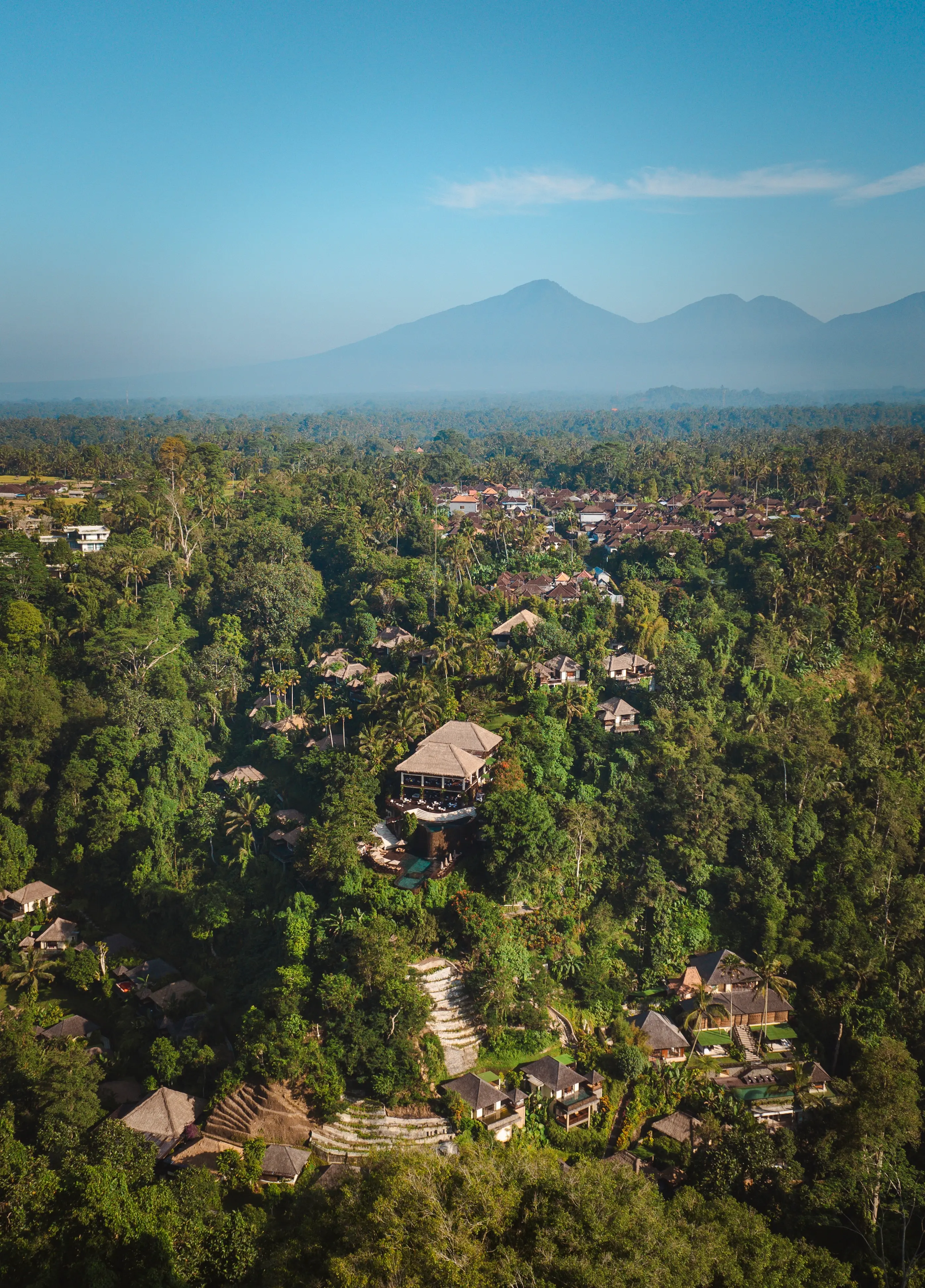
This is why many travellers don’t treat Hanging Gardens of Bali as a one-off stay. They place it into their year with intention - returning at different seasons, in different states of mind, each visit revealing a new version of the place and of themselves.
Others are chosen deliberately - because once you’ve been, you want to experience them again, but differently.
Planning the best time to visit Bali or the best time to visit Ubud isn’t just about weather. It’s about timing your life well - choosing moments when travel doesn’t interrupt momentum, but enhances it.
This is why many travellers don’t treat Hanging Gardens of Bali as a one-off stay. They place it into their year with intention - returning at different seasons, in different states of mind, each visit revealing a new version of the place and of themselves.
Why January Is the Best Time to Plan the Year
January carries a unique energy.
The year feels open. Decisions feel lighter. Desire hasn’t been drowned out by obligation yet. This is when people imagine not just where they want to go - but how they want to feel.
Planning travel in January allows you to claim moments in advance: periods of beauty, stillness, indulgence, and pleasure before the year accelerates. It’s also when the most sought-after dates at Hanging Gardens of Bali quietly begin to disappear.
Guests who plan early don’t do it out of urgency - they do it because they know this is the kind of place that changes with the season, and they want to experience it at exactly the right moment.
Bali’s Seasons Explained Simply - And Why They Feel Different at Hanging Gardens of Bali
Bali has two seasons, but Hanging Gardens of Bali has many moods.
- Dry Season (April to October)
Crisp mornings, golden afternoons, cooler evenings. The jungle opens up. Views stretch across the valley. This is when infinity pools, outdoor dining, and long sunlit days feel almost unreal. - Green Season (November to March)
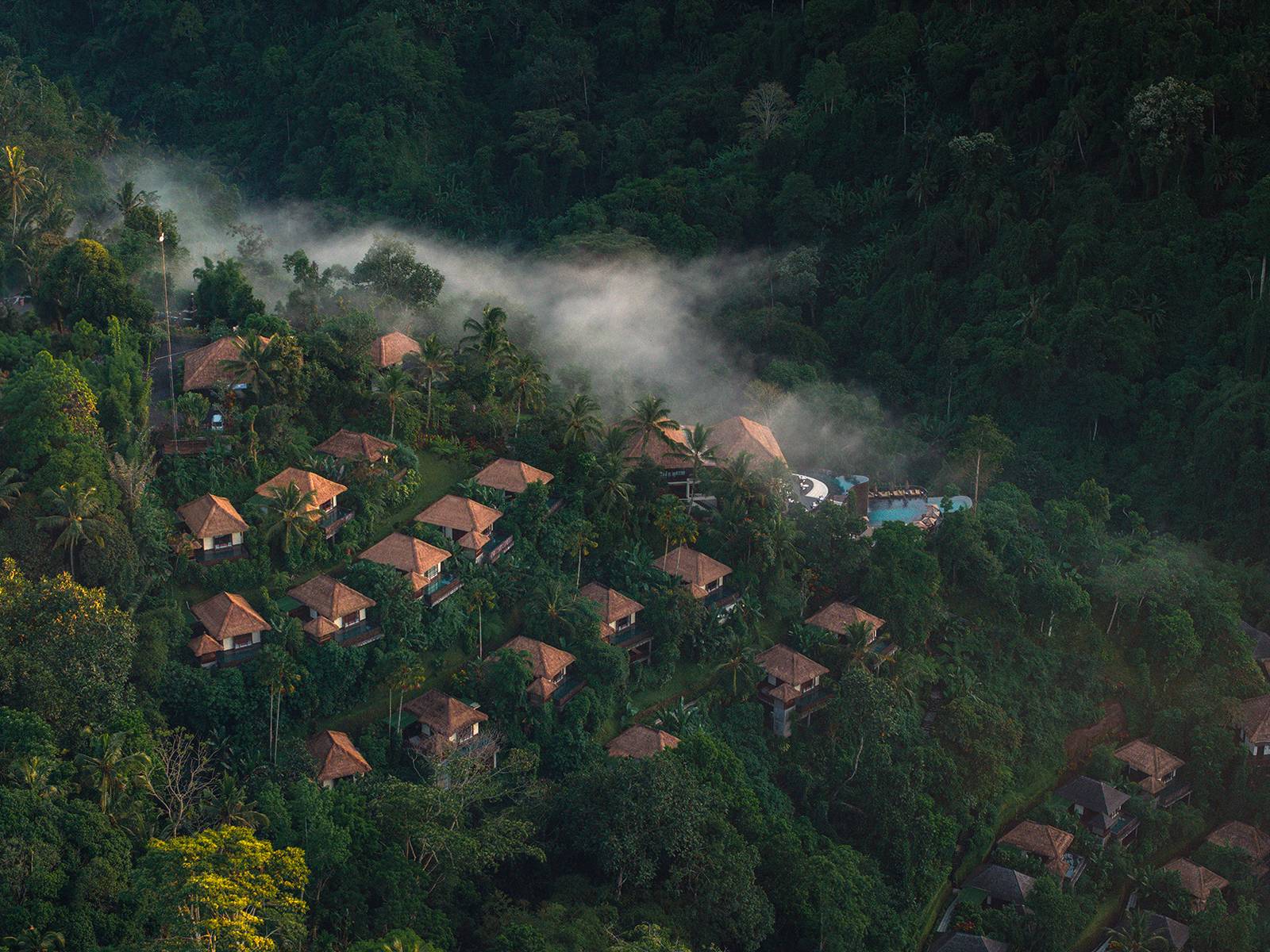
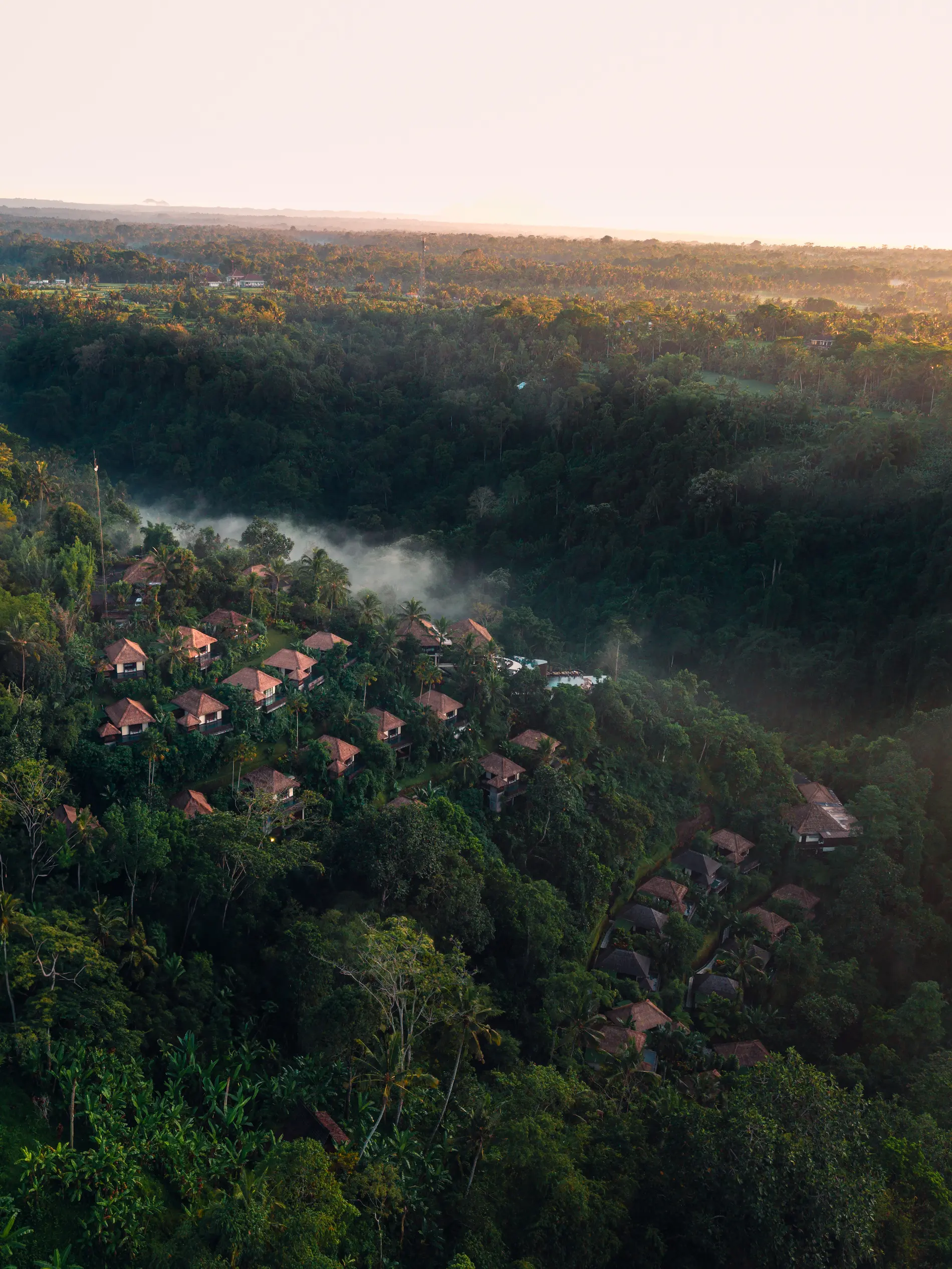
Rain brings visual drama. Mist rises through the trees. The landscape deepens in colour and texture. Afternoons feel intimate, evenings seductive. Time slows - but the atmosphere intensifies.
Understanding the best season to visit Hanging Gardens of Bali isn’t about avoiding rain or chasing sunshine. It’s about choosing the mood you want to live inside for a while.
When Ubud Feels Its Most Magnetic
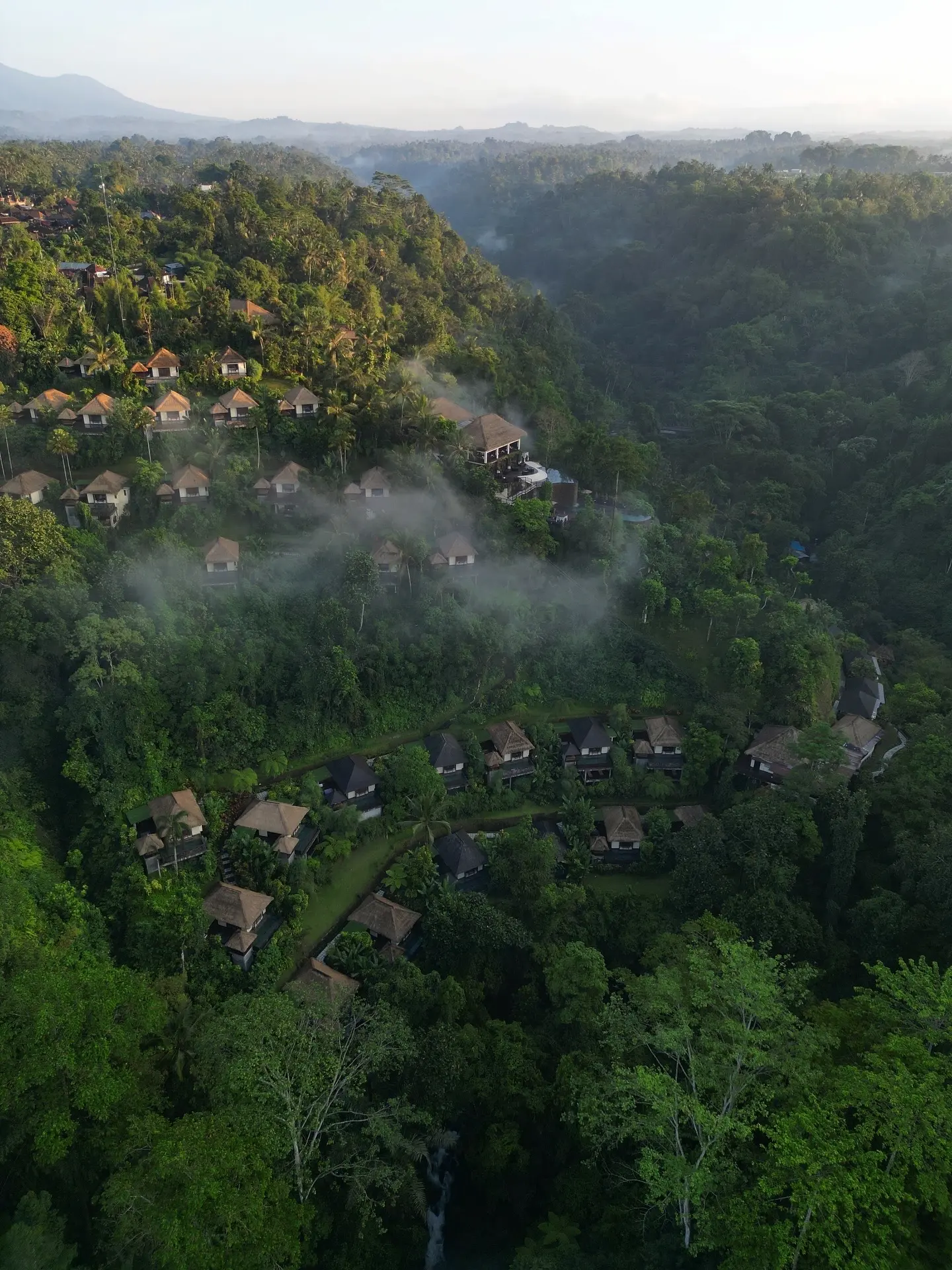
Ubud is not just serene - it is charged.
Surrounded by rainforest and ritual, it pulls you inward while heightening the senses. Certain periods amplify this feeling: late January through March, and October to early December, when the town breathes, the pace softens, and everything feels more personal.
During these windows, Hanging Gardens of Bali feels especially alive. Morning mist curling through the valley. Quiet afternoons broken by birdsong and water flowing. Nights that invite conversation, intimacy and lingering.
Many guests consider this the best time to visit Ubud not because there is less energy - but because it is concentrated.
Aligning Travel With Personal Cycles
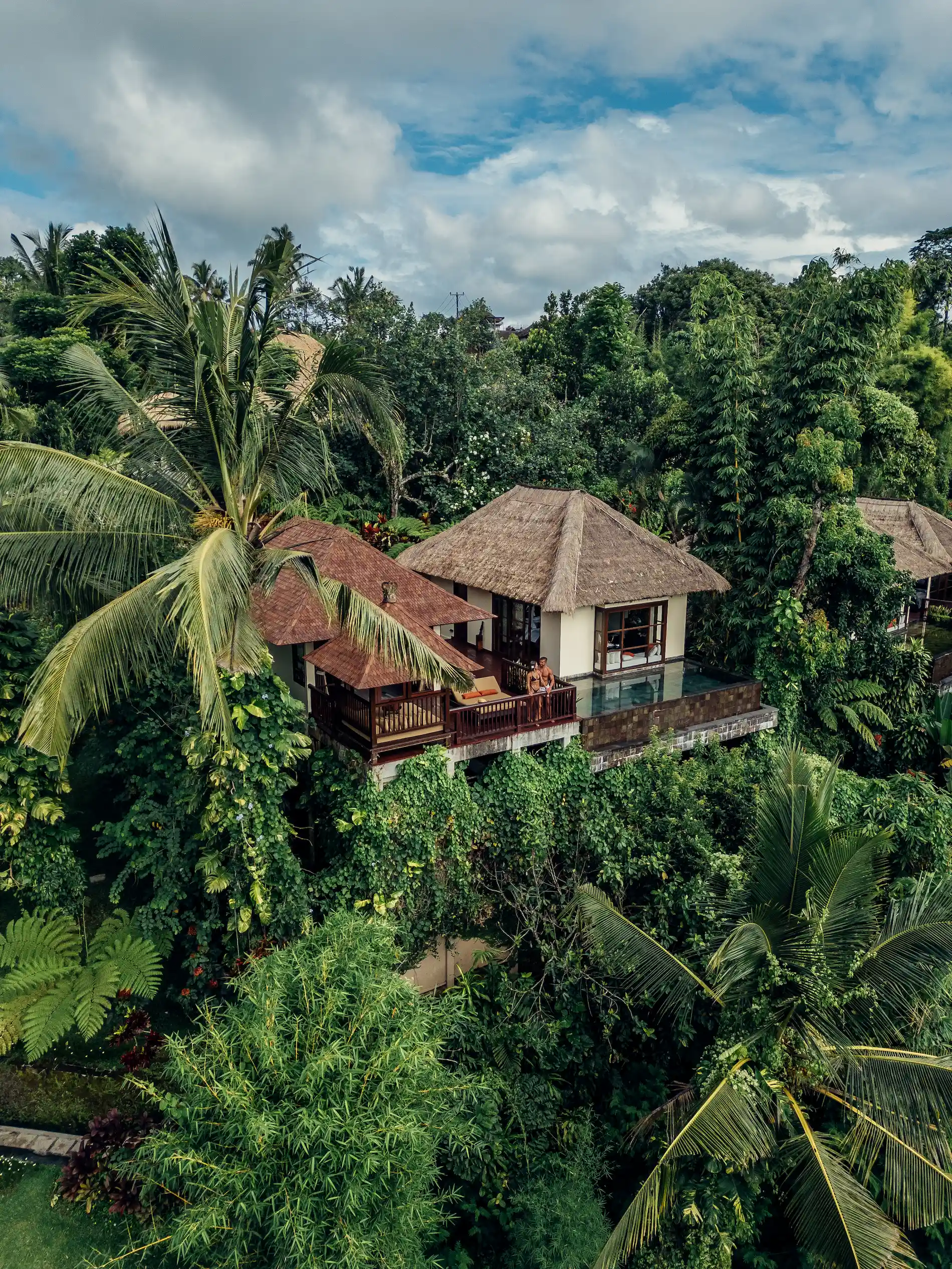
The most satisfying travel isn’t reactive. It’s instinctive.
Some guests arrive at the start of the year to set an intention. Others come mid-year when life has been loud and they want beauty, space and perspective. Some return simply because they crave the feeling again - the way time stretches here, the way attention sharpens and senses indulged.
Hanging Gardens of Bali supports all of it. There is structure when you want it, freedom when you don’t. Days can be active or indulgently slow. Nothing is imposed. Everything is possible.
This is what makes it easy to return - difficult to replace.
For more, contact our concierge here.
F.A.Q.
Q. What is the best time to visit Bali?
A. The best time to visit Bali depends on the experience you’re seeking rather than weather alone. The dry season (April to October) offers bright days and expansive views, while the green season (November to March) brings lush landscapes, softer light, and a more intimate atmosphere - especially in Ubud.
Q. When is the best time to visit Ubud specifically?
A. Many travellers consider late January to March and October to early December the most magnetic times to visit Ubud. During these periods, crowds thin, the pace softens, and the rainforest feels especially alive, creating a deeper sense of immersion.
Q. Does Bali feel different in each season?
A. Yes, Bali’s seasons significantly affect mood, light, and rhythm. Dry season feels expansive and energetic, while green season feels atmospheric, introspective, and sensual. Choosing when to visit is often about selecting the emotional tone you want to live inside.
Q. Why does timing matter when planning a stay at Hanging Gardens of Bali?
A. Hanging Gardens of Bali changes character with the seasons. Mist, light, foliage, and sound all shift throughout the year. Guests who plan intentionally are able to experience the property at the moment that best aligns with their personal pace and intention.
Q. Is January a good time to plan travel to Bali?
A. Yes, January is an ideal time to plan the year’s travel because the calendar still feels open and decisions feel unpressured. It’s also when highly sought-after dates at luxury resorts begin to fill quietly, especially for later in the year.
Q. Is January itself a good time to visit Bali?
A. January is one of Bali’s most underrated months. While it falls in green season, rainfall is usually brief and enhances the landscape. The result is cooler air, dramatic scenery, fewer crowds, and a more personal travel experience - particularly in Ubud.
Q. How do Bali’s seasons affect luxury travel experiences?
A. In luxury settings, seasonal differences are amplified rather than diminished. Dry season enhances outdoor living and long days, while green season heightens atmosphere, privacy, and intimacy. Both offer distinct but equally rewarding experiences when chosen intentionally.
Q. How far in advance should I plan a stay at Hanging Gardens of Bali?
A. Guests who plan around personal milestones or seasonal preference often book several months in advance. Early planning allows for greater choice of villa categories and preferred travel windows, especially during popular transitional seasons.
Q. Can Hanging Gardens of Bali be experienced differently throughout the year?
A. Yes, many returning guests experience Hanging Gardens of Bali across different seasons. Each visit reveals a new mood - brighter and expansive during dry months, deeper and more introspective during green season - making repeat stays feel entirely distinct.
Q. How should I align travel timing with personal cycles?
A. The most rewarding travel often aligns with personal rhythm rather than external calendars. Some guests visit at the beginning of the year for intention-setting, others mid-year for recalibration, and some simply return when they crave beauty, space, and perspective again.
Q. Why do guests return to Hanging Gardens of Bali multiple times?
A. Guests return because the experience adapts to who they are when they arrive. With freedom of pace, seasonal variation, and an environment that supports both indulgence and stillness, each stay feels relevant rather than repetitive.
A. The best time to visit Bali depends on the experience you’re seeking rather than weather alone. The dry season (April to October) offers bright days and expansive views, while the green season (November to March) brings lush landscapes, softer light, and a more intimate atmosphere - especially in Ubud.
Q. When is the best time to visit Ubud specifically?
A. Many travellers consider late January to March and October to early December the most magnetic times to visit Ubud. During these periods, crowds thin, the pace softens, and the rainforest feels especially alive, creating a deeper sense of immersion.
Q. Does Bali feel different in each season?
A. Yes, Bali’s seasons significantly affect mood, light, and rhythm. Dry season feels expansive and energetic, while green season feels atmospheric, introspective, and sensual. Choosing when to visit is often about selecting the emotional tone you want to live inside.
Q. Why does timing matter when planning a stay at Hanging Gardens of Bali?
A. Hanging Gardens of Bali changes character with the seasons. Mist, light, foliage, and sound all shift throughout the year. Guests who plan intentionally are able to experience the property at the moment that best aligns with their personal pace and intention.
Q. Is January a good time to plan travel to Bali?
A. Yes, January is an ideal time to plan the year’s travel because the calendar still feels open and decisions feel unpressured. It’s also when highly sought-after dates at luxury resorts begin to fill quietly, especially for later in the year.
Q. Is January itself a good time to visit Bali?
A. January is one of Bali’s most underrated months. While it falls in green season, rainfall is usually brief and enhances the landscape. The result is cooler air, dramatic scenery, fewer crowds, and a more personal travel experience - particularly in Ubud.
Q. How do Bali’s seasons affect luxury travel experiences?
A. In luxury settings, seasonal differences are amplified rather than diminished. Dry season enhances outdoor living and long days, while green season heightens atmosphere, privacy, and intimacy. Both offer distinct but equally rewarding experiences when chosen intentionally.
Q. How far in advance should I plan a stay at Hanging Gardens of Bali?
A. Guests who plan around personal milestones or seasonal preference often book several months in advance. Early planning allows for greater choice of villa categories and preferred travel windows, especially during popular transitional seasons.
Q. Can Hanging Gardens of Bali be experienced differently throughout the year?
A. Yes, many returning guests experience Hanging Gardens of Bali across different seasons. Each visit reveals a new mood - brighter and expansive during dry months, deeper and more introspective during green season - making repeat stays feel entirely distinct.
Q. How should I align travel timing with personal cycles?
A. The most rewarding travel often aligns with personal rhythm rather than external calendars. Some guests visit at the beginning of the year for intention-setting, others mid-year for recalibration, and some simply return when they crave beauty, space, and perspective again.
Q. Why do guests return to Hanging Gardens of Bali multiple times?
A. Guests return because the experience adapts to who they are when they arrive. With freedom of pace, seasonal variation, and an environment that supports both indulgence and stillness, each stay feels relevant rather than repetitive.