Some environments do this work quietly.
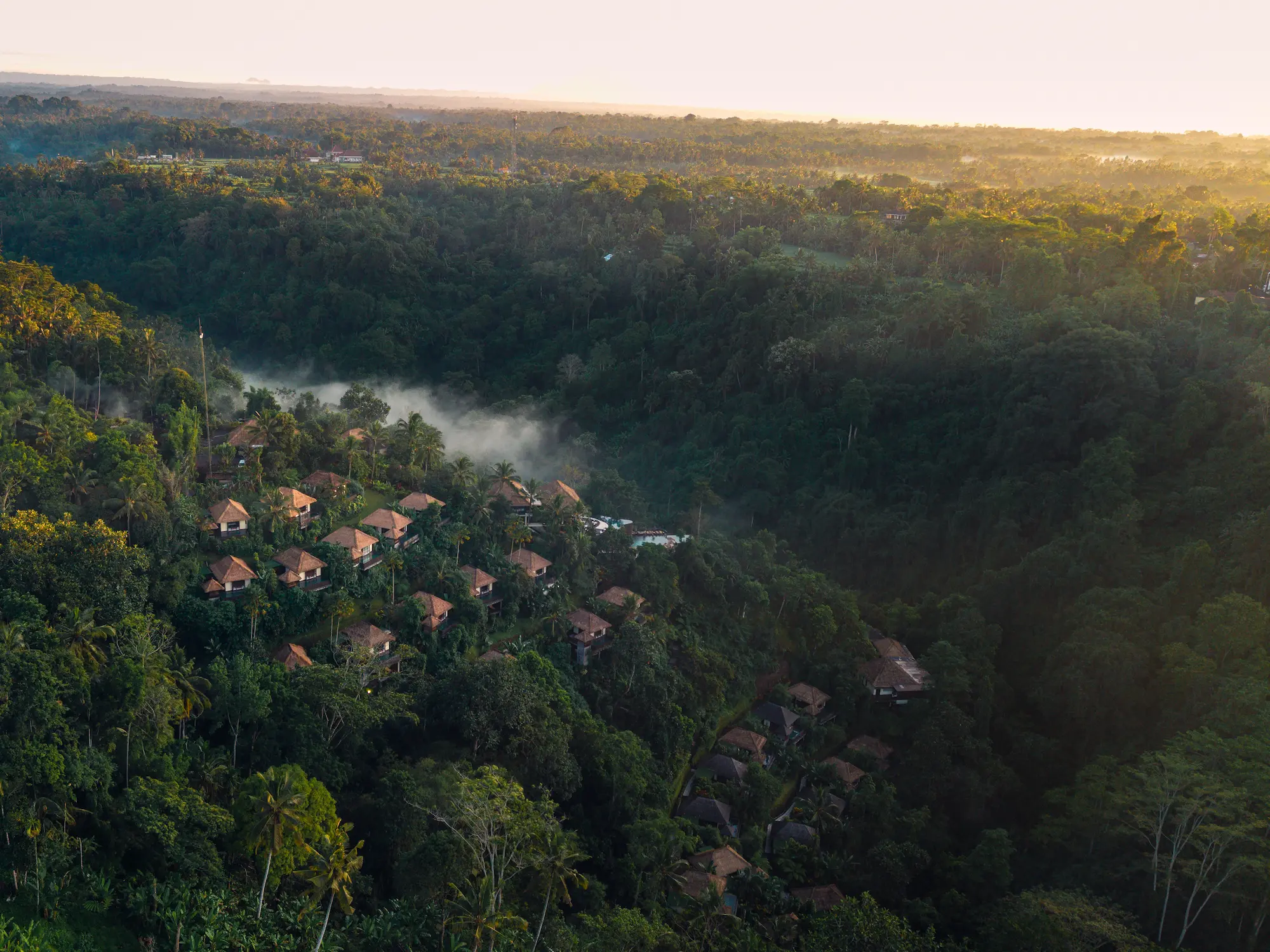
They don’t ask you to slow down - they make haste feel unnecessary. Space replaces stimulation. Sound thins into water and wind. Movement becomes deliberate without being directed.
In places shaped around nature rather than interruption, the transition from motion to clarity happens almost without notice. Stillness isn’t imposed. It emerges.
This is the kind of environment found at
Hanging Gardens of Bali- not as an experience to be consumed, but as a setting that allows you to meet time differently.
Nothing needs to be explained. The atmosphere does that on its own.
How You Choose to Begin Matters
The first weeks of the year leave an imprint.
Whether the beginning is fast or slow, structured or spacious, it shapes the way everything else unfolds. Before deciding what this year should hold, it’s worth choosing the environment in which you listen for that answer.
For those seeking a beginning that feels grounded rather than rushed, grounding can be found quietly - in
nature, in space, in places designed to let clarity arrive on its own.
Sometimes, the most meaningful step forward is simply where you begin.
Begin here with us at Hanging Gardens of Bali.
F.A.Q.
Q. Why is slowing down at the beginning of the year important?
A. Slowing down at the beginning of the year creates mental clarity before momentum takes over. Instead of reacting to pressure, you give yourself space to reflect, reset priorities, and choose direction intentionally. Many people find that starting the year slowly leads to better focus, healthier routines, and more sustainable progress throughout the months ahead.
Q. Is January a good time for a reset or retreat?
A. Yes, January is one of the most effective times for a reset because habits, expectations, and schedules are still flexible. A retreat or intentional pause early in the year allows you to establish emotional and mental grounding before work and responsibilities accelerate again.
Q. What does it mean to start the year with intention instead of urgency?
A. Starting the year with intention means allowing clarity to form before making decisions. Instead of filling January with immediate goals and commitments, you focus on listening - understanding what you want this year to feel like, not just what you want to achieve. This approach often leads to more aligned choices and less burnout.
Q. How does an unscheduled environment help mental clarity?
A. An unscheduled environment removes constant decision-making and time pressure. When nothing is fixed, the mind naturally slows, attention deepens, and priorities surface organically. This mental spaciousness is often what allows long-term clarity to emerge.
Q. Why do people choose Bali for a New Year reset?
A. Bali is widely chosen for New Year resets because of its strong connection to nature, wellness, and slower rhythms of life. The island’s landscapes, spiritual culture, and emphasis on balance make it ideal for those seeking rest, reflection, and renewal at the beginning of the year.
Q. Is a luxury resort suitable for slowing down and reflection?
A. Yes - when designed intentionally. A well-designed luxury resort removes friction from daily life, allowing guests to slow down naturally. Thoughtful architecture, privacy, nature immersion, and calm pacing create an environment where stillness feels effortless rather than forced.
Q. What makes Hanging Gardens of Bali ideal for starting the year slowly?
A. Hanging Gardens of Bali is designed around space, nature, and quiet immersion. Rather than filling time with activity, the environment encourages stillness, unhurried movement, and reflection. This makes it especially suited for those who want to begin the year grounded, clear-minded, and restored.
Q. How long should a New Year reset trip be?
A. Even a few days can make a meaningful difference. Many travellers find that three to five days of intentional slowing down is enough to recalibrate energy, restore focus, and set a grounded tone for the year ahead - especially when spent in a calm, nature-based environment.
Q. Can slowing down actually improve productivity later in the year?
A. Yes, starting the year slowly often leads to better decision-making, reduced stress, and more consistent energy. When clarity comes first, productivity later becomes more focused, efficient, and sustainable rather than reactive or rushed.
Q. What is the best way to begin the year if you feel overwhelmed?
A. The best way to begin the year when overwhelmed is to remove urgency first. Choosing a calm environment, reducing schedules, reconnecting with basic rhythms like rest, meals, and conversation, and allowing clarity to surface naturally can reset both mental and emotional balance.