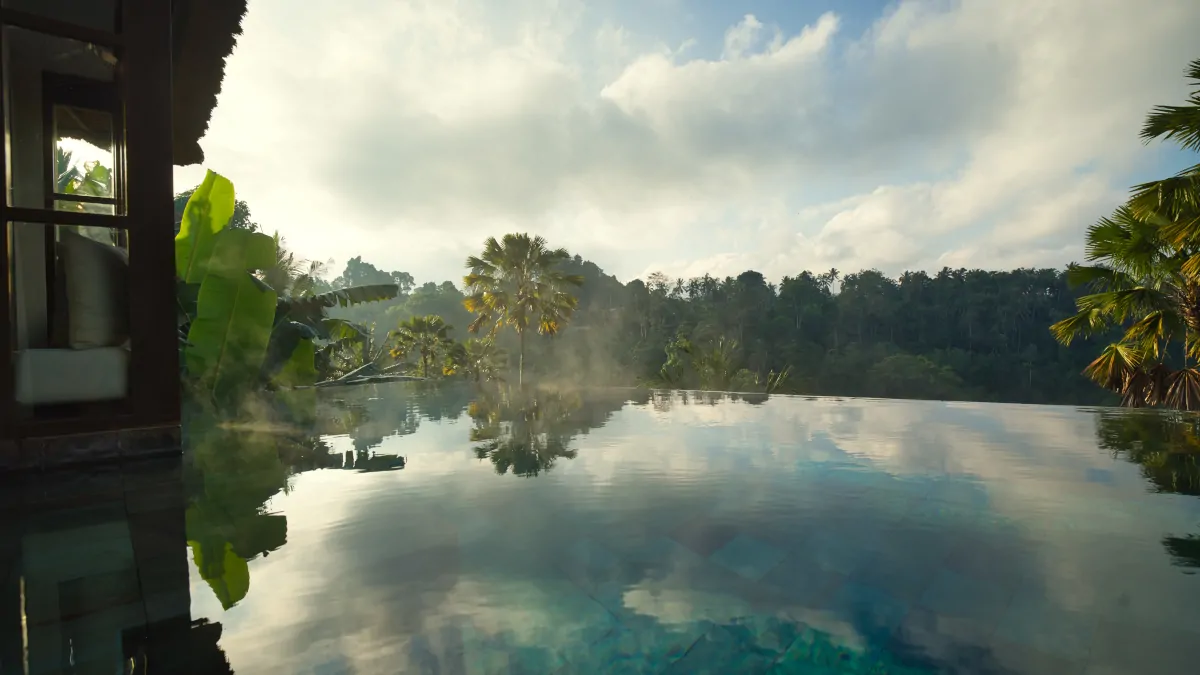
There’s a version of travel where everything is planned.
Reservations stacked back to back. Places to be. A quiet pressure to make the most of it.
And then there’s the version where you wake up, look outside, and realise there’s nowhere you need to go.
That’s the one people don’t talk about enough.
Reservations stacked back to back. Places to be. A quiet pressure to make the most of it.
And then there’s the version where you wake up, look outside, and realise there’s nowhere you need to go.
That’s the one people don’t talk about enough.
Time Stops Feeling Measured
Not slower in a forced way.
Just… less structured.
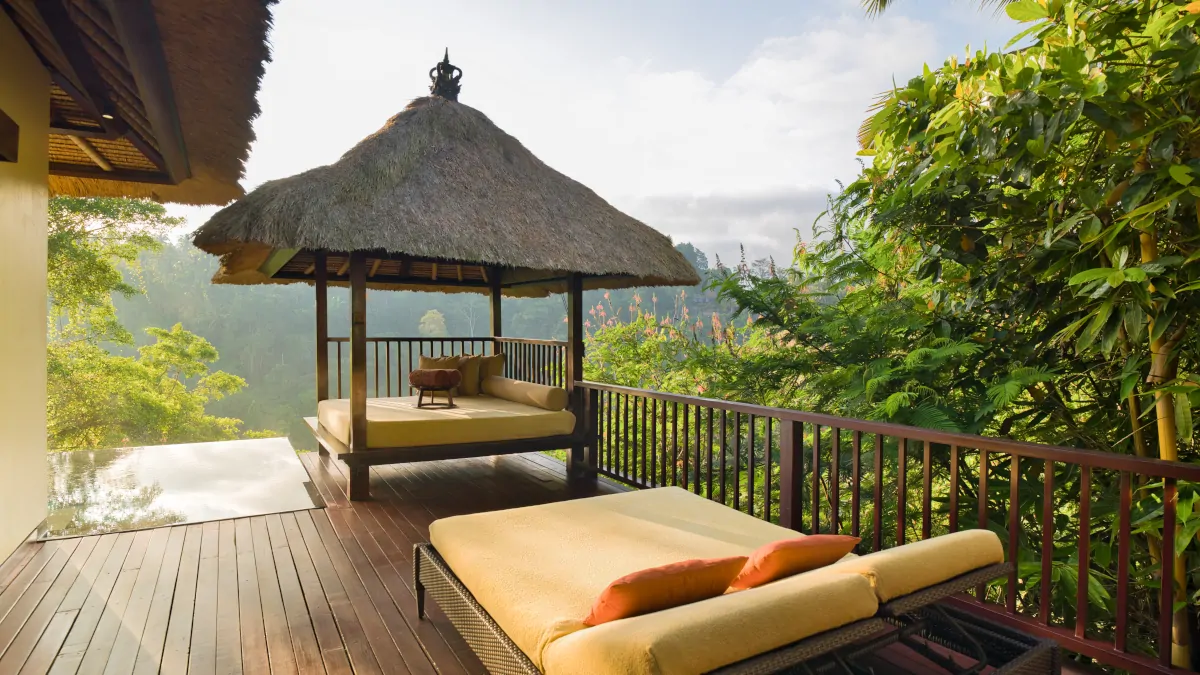
You wake up naturally. Light comes in before you even check your phone. There’s no immediate need to respond to anything, so you don’t.
You check the time later than you expected.
Nothing is behind.
Just… less structured.
You wake up naturally. Light comes in before you even check your phone. There’s no immediate need to respond to anything, so you don’t.
You check the time later than you expected.
Nothing is behind.
Mornings Become the Main Event
You sit down for coffee without thinking about what comes after.
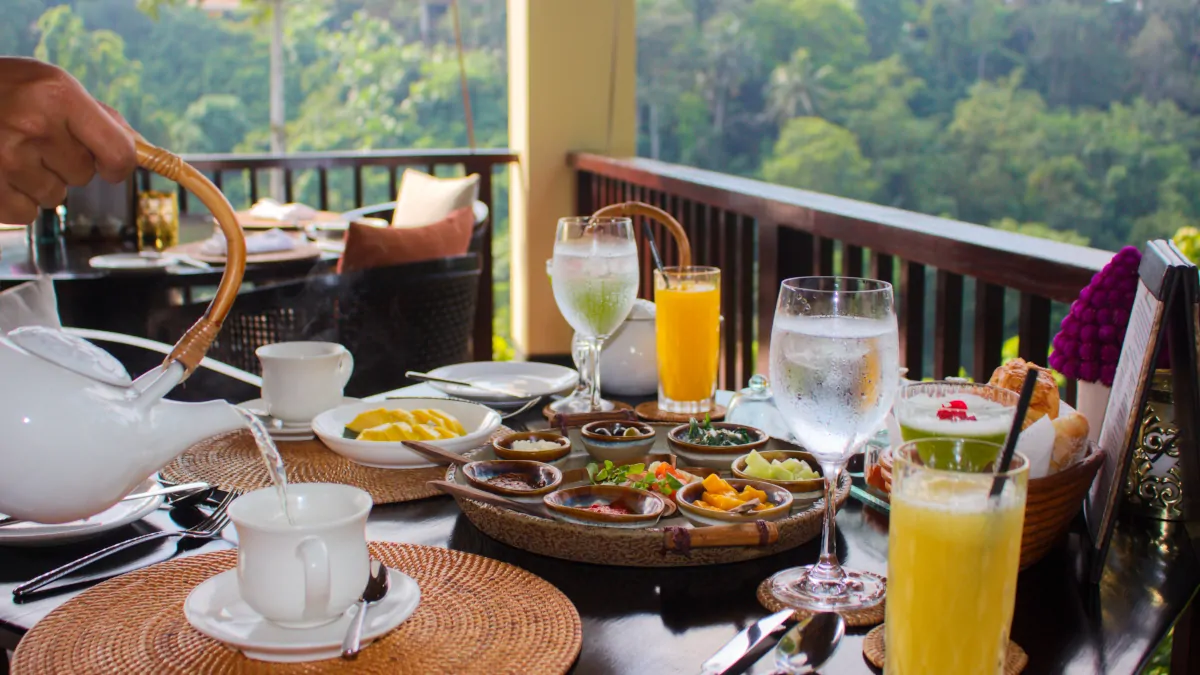
Breakfast stretches - not because you’re trying to slow down, but because there’s no reason to leave.
Fresh fruit, something warm, another coffee.
You stay until it feels finished, not until the clock says it should be.
Breakfast stretches - not because you’re trying to slow down, but because there’s no reason to leave.
Fresh fruit, something warm, another coffee.
You stay until it feels finished, not until the clock says it should be.
The Day Doesn’t Need Managing
At some point, the usual instinct to organise everything just… disappears.
You’re not building a schedule in your head.
You’re not deciding what to prioritise.
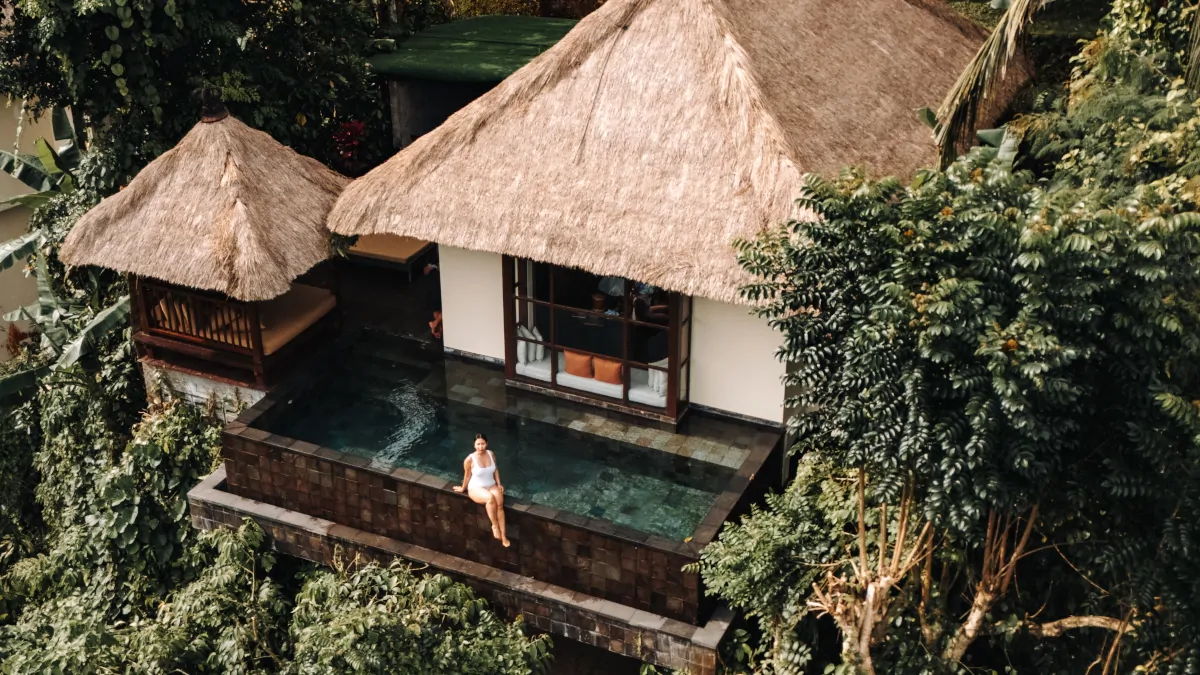
You move between things naturally:
Then back again.
The day holds itself without needing structure.
You’re not building a schedule in your head.
You’re not deciding what to prioritise.
You move between things naturally:
- a swim
- sitting somewhere open
- maybe heading into Ubud for a few hours
Then back again.
The day holds itself without needing structure.
Why Ubud Makes This Easy
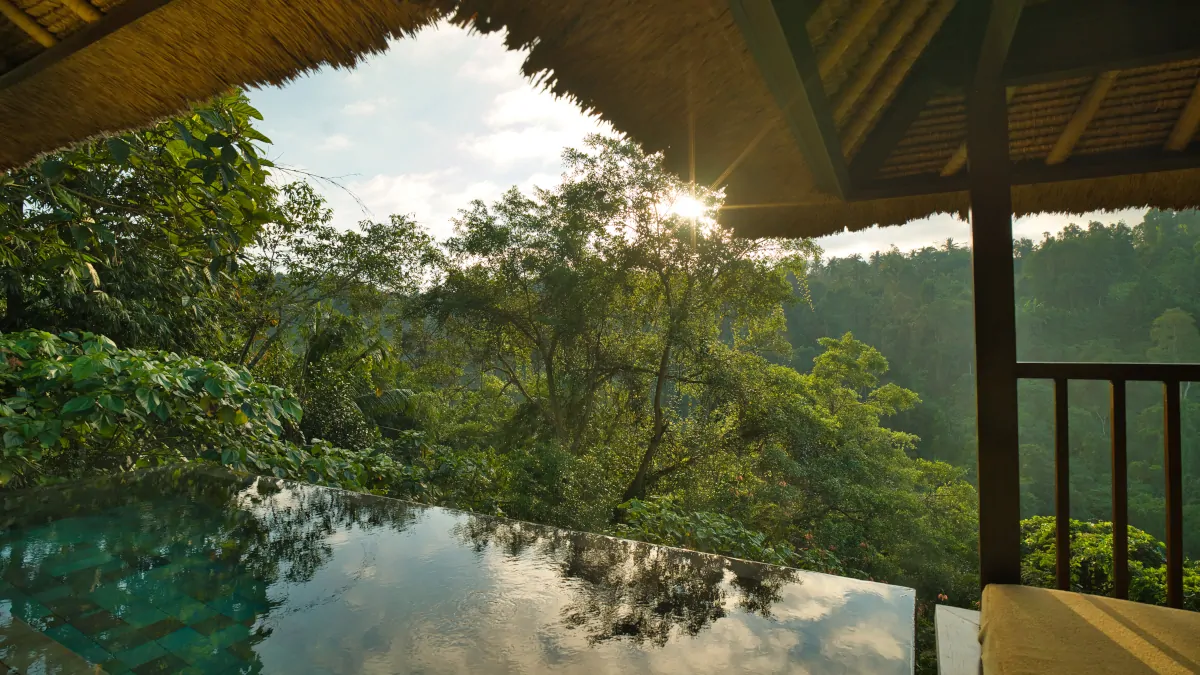
Ubud is one of the few places where this kind of pace feels natural.
You can step into town, spend time there, and then shift back out of it just as easily.
That movement - between activity and stillness - is what makes everything feel balanced instead of slow.
It never feels like you’re doing nothing.
It just feels like you’re doing enough.
You can step into town, spend time there, and then shift back out of it just as easily.
That movement - between activity and stillness - is what makes everything feel balanced instead of slow.
It never feels like you’re doing nothing.
It just feels like you’re doing enough.
Where the Feeling Actually Comes From
This kind of trip doesn’t happen just because you decide to “relax”.
It comes from being somewhere that supports it.
When your space is:
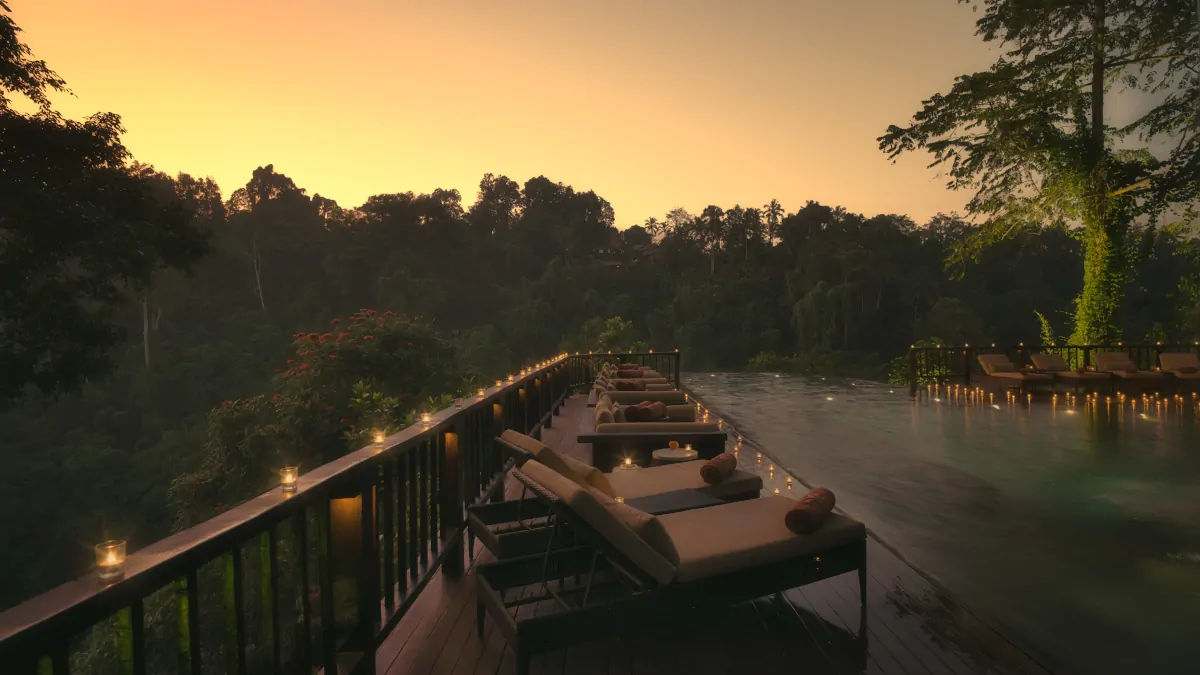
Places set into the Ubud valley tend to do this best — especially when the stay itself feels like the centre of the trip, as it does at Hanging Gardens of Bali.
There’s a point where your stay stops feeling like a base, and starts feeling like the centre of the trip.
It comes from being somewhere that supports it.
When your space is:
- open instead of enclosed
- quiet without feeling isolated
- and designed to be spent time in
- you stop treating it like somewhere you pass through.
Places set into the Ubud valley tend to do this best — especially when the stay itself feels like the centre of the trip, as it does at Hanging Gardens of Bali.
There’s a point where your stay stops feeling like a base, and starts feeling like the centre of the trip.
So What Does “Nothing Is Rushed” Actually Feel Like?
It’s not about doing less.
It’s about being somewhere that doesn’t interrupt the moment.
Where:
The difference isn’t in what you did.
It’s in how the time felt while you were there.
And once you experience Bali like that, it quietly resets what you expect from the next trip.
Book here.
It’s about being somewhere that doesn’t interrupt the moment.
Where:
- mornings unfold without urgency
- afternoons don’t need filling
- and evenings feel complete on their own
The difference isn’t in what you did.
It’s in how the time felt while you were there.
And once you experience Bali like that, it quietly resets what you expect from the next trip.
Book here.
Frequently Asked Questions
What does luxury travel in Ubud actually feel like?
Luxury in Ubud is defined less by excess and more by space, pace, and environment. It feels like time becoming less structured, mornings unfolding naturally without urgency, and days that do not require planning or management. Rather than filling your schedule, luxury in Ubud is about being somewhere that allows you to slow down without trying.
Is Ubud a good destination for a relaxing Bali trip?
Yes — Ubud is one of the best places in Bali for relaxation and slow travel. It offers jungle surroundings, open landscapes, a quieter atmosphere, and a natural shift away from fast-paced travel. This makes it ideal for travellers seeking a calm, restorative experience.
What is slow travel in Bali?
Slow travel in Bali means experiencing fewer things more deeply, rather than rushing between activities. In Ubud, this often looks like spending extended time in one place, letting the day unfold naturally, and prioritising environment over itinerary. It is less about what you do and more about how your time feels while you are there.
Where should you stay in Ubud for a peaceful luxury experience?
For a truly peaceful experience, travellers should prioritise jungle-facing villas, locations set into valleys or nature, and properties designed for privacy and openness. In places like Hanging Gardens of Bali, the setting itself encourages a slower pace, with views, space, and atmosphere shaping the entire stay.
How many days do you need in Ubud to relax properly?
For a fully relaxing experience in Ubud, two to three days works well for a reset and short escape, while three to five days allows for a deeper, more immersive stay. The key is not just the number of days, but allowing unstructured time within them.
Why does Ubud make it easier to slow down?
Ubud makes slowing down feel natural because of its landscape, pace, and spatial design. Jungle valleys, rice fields, quieter surroundings, and open environments create a rhythm that feels less driven by nightlife or constant movement. Unlike busier areas, Ubud does not keep pulling your attention elsewhere.
What is the best way to experience Bali without rushing?
To experience Bali without rushing, stay somewhere where the environment is part of the experience, avoid over-scheduling activities, and allow mornings, afternoons, and evenings to unfold naturally. This creates a trip that feels balanced rather than busy.
Is luxury travel in Bali about doing less?
Not exactly — it is more about removing unnecessary pressure. Luxury in Bali often means not needing to optimise every moment, not feeling urgency to move constantly, and letting experiences happen organically. It is not about doing less, but about feeling more present while doing it.
What makes a stay in Ubud feel truly luxurious?
A stay in Ubud feels luxurious when the view is integrated into your space, you do not feel the need to leave your villa, the environment creates calm without effort, and time feels open rather than scheduled. This is why many travellers find their stay itself becomes the highlight of the trip.
Is Ubud better than beach areas for relaxation?
Yes — for relaxation, Ubud is generally better than coastal areas. Beach destinations tend to be more social, energetic, and fast-paced, while Ubud feels quieter, more nature-led, and more restorative. For travellers seeking peace, privacy, and stillness, Ubud is often the better choice.
What does “nothing is rushed” actually mean in travel?
It means mornings are not dictated by schedules, afternoons do not need to be filled, and evenings feel complete without heavy planning. It is the absence of pressure, where time feels expansive rather than managed.
So, what is luxury like when nothing is rushed?
It is not about adding more — it is about removing what is not needed. Luxury becomes space instead of stimulation, stillness instead of movement, and presence instead of planning. Once experienced, it often changes what travellers look for in future trips.