
Nyepi - Bali’s Sacred New Year
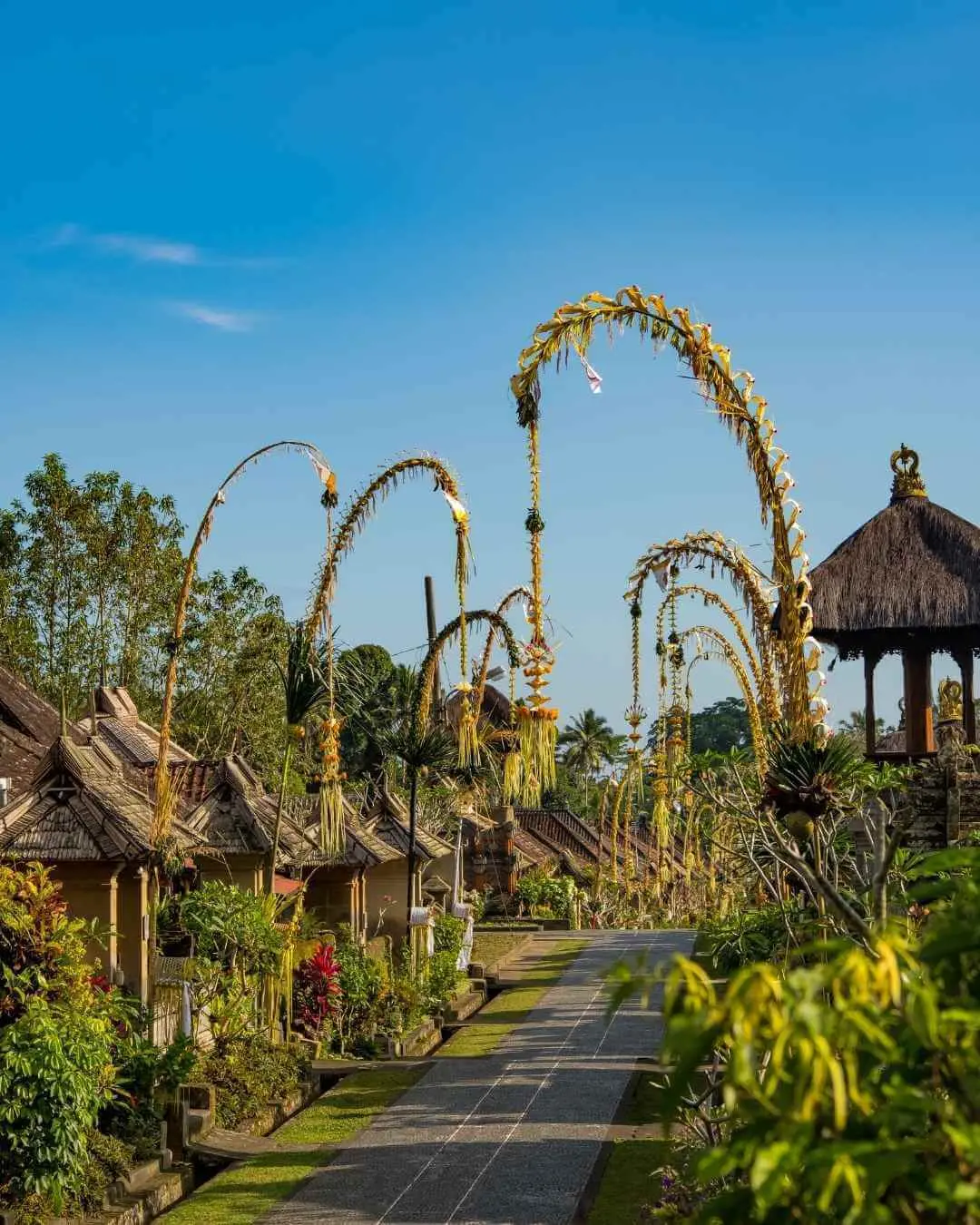
Once a year, Bali disappears.
The airport closes.
The roads empty.
Lights are dimmed across the island.
For twenty-four hours, Bali falls completely silent.
This is Nyepi, the Balinese New Year - a sacred day dedicated not to celebration, but to stillness.
And for those who choose to be here, it becomes one of the most profound experiences the island can offer.
The Meaning Behind Nyepi
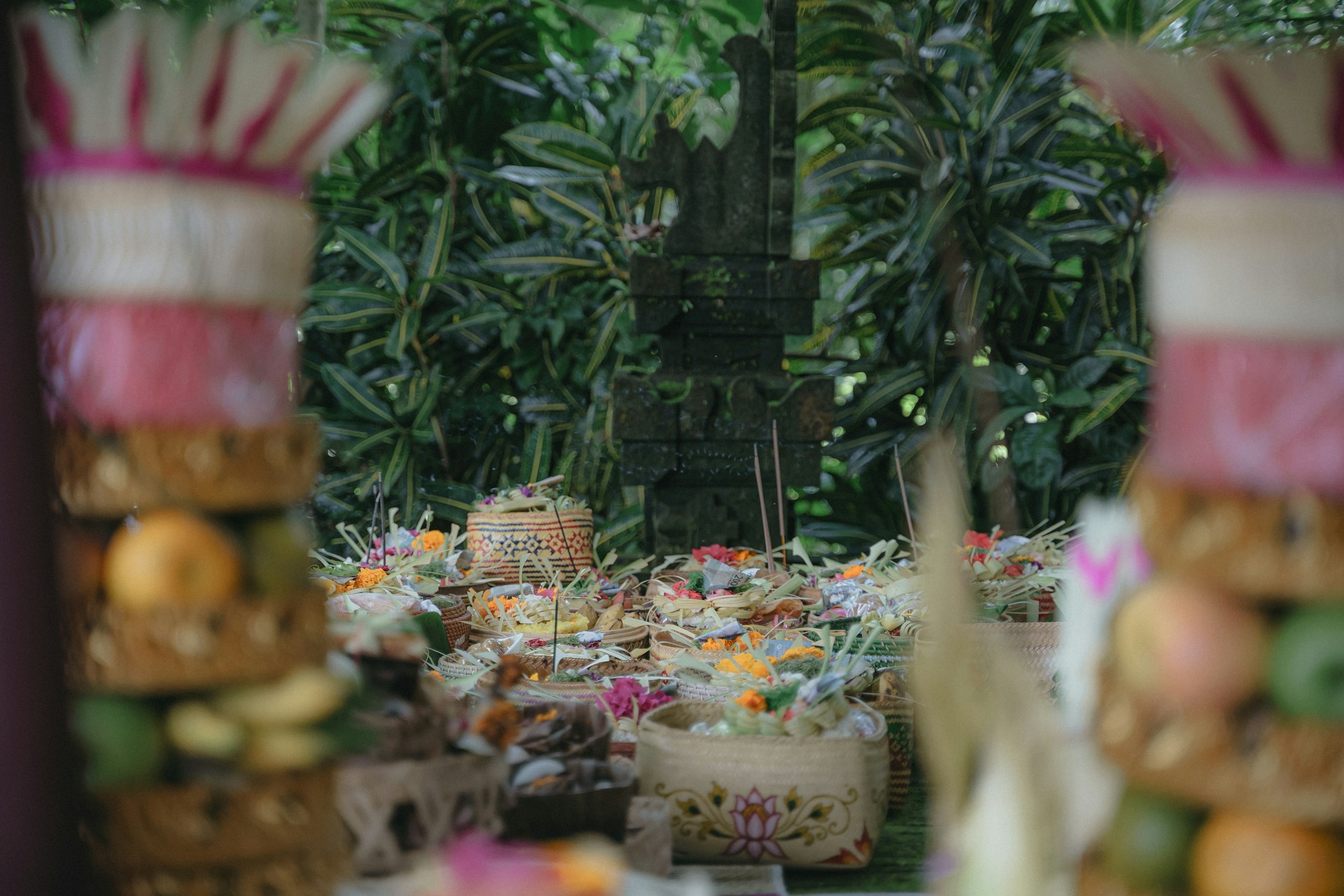
Nyepi marks the beginning of the Balinese Saka New Year. It is a day of reflection, meditation, and spiritual reset.
Traditionally, the silence serves a deeper purpose.
Balinese Hindu belief holds that on this night, malevolent spirits pass over the island searching for signs of life. To protect the island, everything goes dark. No lights. No fires. No movement. The silence convinces the spirits that Bali is empty - and they continue on.
Whether understood symbolically or spiritually, the result is extraordinary.
An entire island pauses.
The Night Before: Fire, Sound, and Ritual
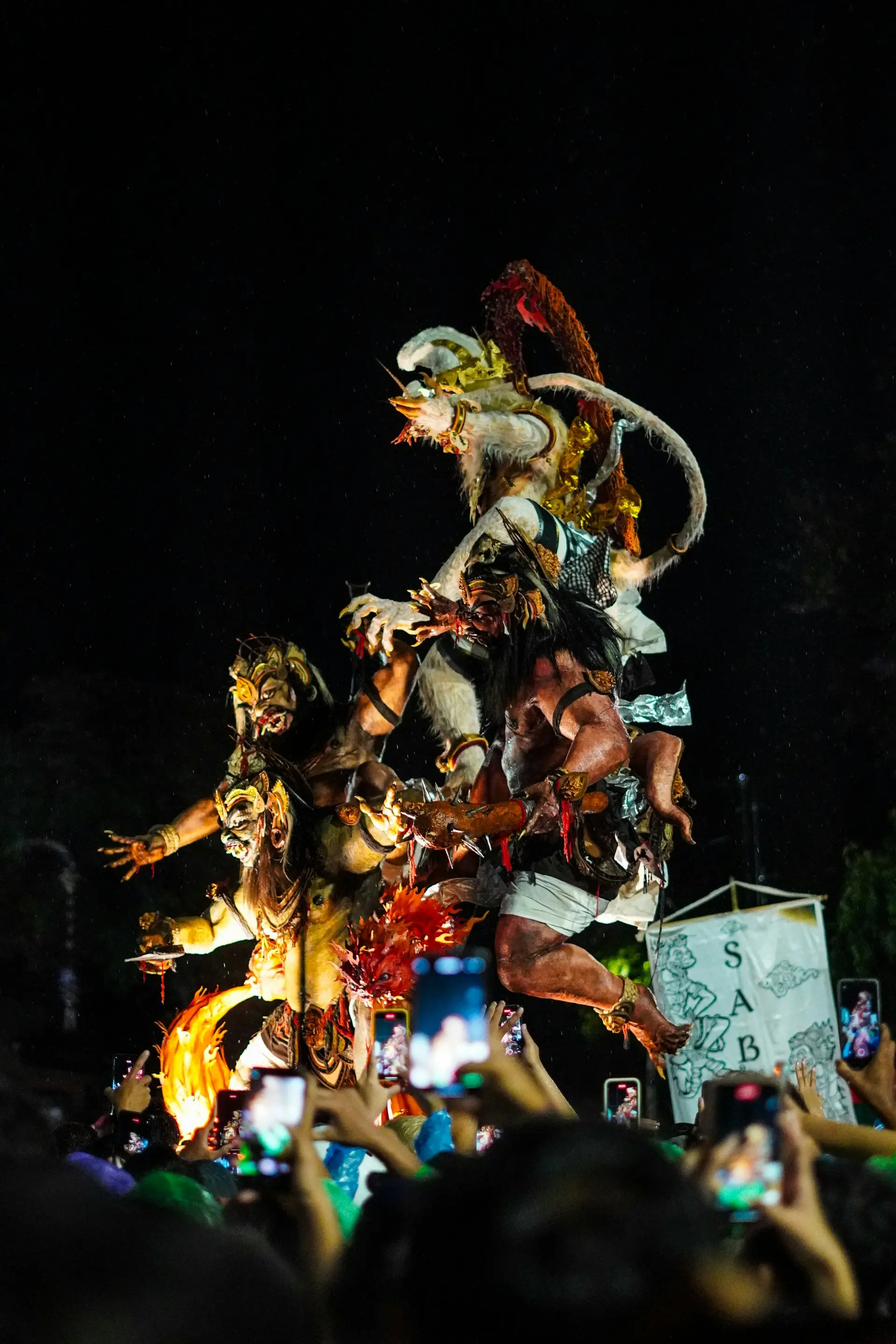
The evening before Nyepi tells a very different story.
Across villages and in areas like Denpasar, towering Ogoh-Ogoh statues - elaborate, hand-crafted effigies representing negative forces - are carried through the streets in vibrant processions.
Music, fire, chanting, and ceremony fill the air. The statues are later symbolically destroyed, cleansing the island of negativity before the New Year begins.
And then, the next morning, silence descends.
The contrast is unforgettable.
What Happens During Nyepi?
From 6:00 AM until 6:00 AM the following day:
- Flights in and out of Bali are suspended
- Beaches and roads are closed
- Outdoor activity is restricted
- Lights are kept to an absolute minimum
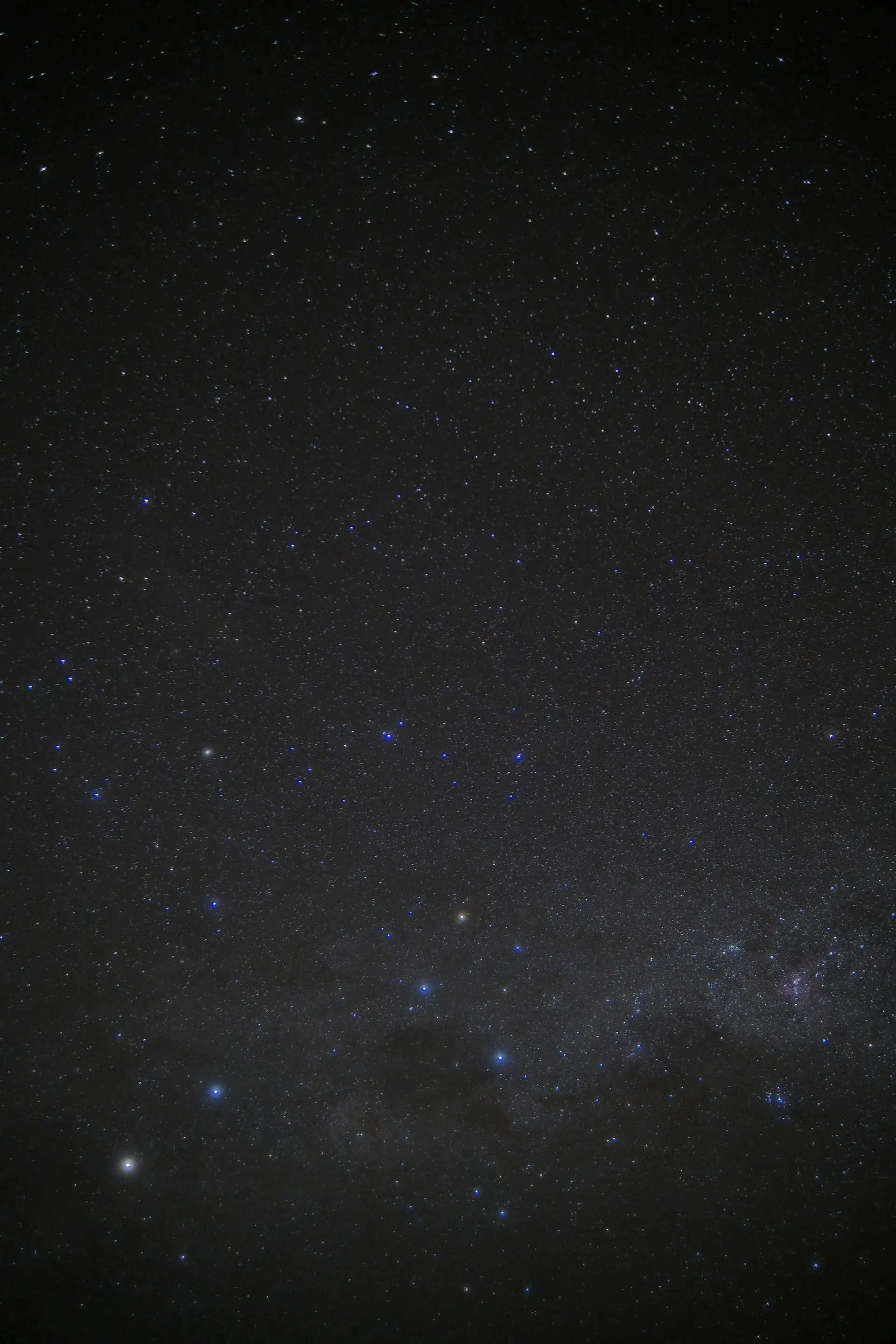
Without traffic or artificial glow, the night sky above Bali becomes astonishingly clear. In rural and jungle settings, the darkness feels almost sacred.
For visitors, Nyepi is not restrictive - it is immersive.
You remain within your hotel grounds, moving gently, speaking softly, allowing the rhythm of the island to guide the day.
Experiencing Nyepi from the Jungle

In Ubud, where jungle canopy replaces city lights, the Day of Silence feels especially powerful.
Suspended above the rainforest, a private villa becomes more than accommodation - it becomes a sanctuary.
During Nyepi, the experience is defined by simplicity:
- Morning mist drifting across the valley
- The distant sound of water below
- An infinity pool reflecting a star-filled sky
For couples, it feels intimate.
For solo travelers, reflective.
For many, transformative.
Is Nyepi a Good Time to Visit Bali?

For travelers seeking nightlife and beach clubs, Nyepi may not be ideal.
For those drawn to authenticity, culture, and rare experiences, it may be the most meaningful time of the year.
There is something deeply powerful about witnessing a destination that honors tradition so completely that it closes its own airport.
Nyepi is not staged for tourism. It exists whether visitors come or not.
To be here during this moment feels like being quietly invited into something sacred.
Planning a Stay Around Nyepi 2026

Because flights are suspended during Nyepi, guests typically arrive at least one day prior - allowing time to witness the Ogoh-Ogoh processions - and depart a day or two after.
This creates a natural three-to-four-night escape.
The days surrounding Nyepi offer the best of both worlds:
- Cultural ceremony
- Jungle stillness
- Fewer crowds
- A sense of renewal before high season begins
A Different Kind of Luxury

Luxury is often defined by access and activity.
Nyepi offers something rarer: absence.
No noise.
No distraction.
No performance.
Just silence - shared across an entire island.
To experience Bali on the one day it disappears is to understand it more deeply.
To book this once in a lifetime experience, contact our concierge here.
F.A.Q.
- Q. When is Nyepi in Bali 2026?
- A. Nyepi in 2026 begins on Thursday, 19 March, and lasts for 24 hours (from around 6:00 AM to 6:00 AM the following day). Because the island shuts down, most travellers arrive at least one day before Nyepi begins and stay multiple nights to experience both Ogoh-Ogoh and the Day of Silence.
- Q. What happens during Nyepi in Bali?
- A. During Nyepi, Bali observes a complete Day of Silence for 24 hours. The airport closes, roads and beaches empty, businesses shut, outdoor activity is restricted, and lights are kept to a minimum—creating a rare stillness that feels especially powerful in jungle settings like Ubud.
- Q. Can tourists stay in hotels during Nyepi?
- A. Yes. Tourists remain within their hotel or resort grounds during Nyepi. Hotels continue operating respectfully on-property, including dining and guest services, while following local guidelines around noise and lighting.
- Q. Is the Bali airport closed during Nyepi?
- A. Yes. Ngurah Rai International Airport closes completely for the 24-hour Nyepi period—no flights arrive or depart. Plan arrival before Nyepi and departure after the island reopens.
- Q. Is Nyepi a good time to visit Bali?
- A. Nyepi is one of the most unique times to visit Bali—ideal for travellers seeking privacy, cultural immersion, a romantic escape, or a spiritual reset. If nightlife and beach clubs are your focus, it may not be the right fit.
- Q. What is the Ogoh-Ogoh parade in Bali?
- A. The evening before Nyepi, villages across Bali host Ogoh-Ogoh parades—large demon effigies carried through the streets in symbolic purification ceremonies before being ritually destroyed. It’s a dramatic contrast to the silence that follows the next morning.
- Q. Are lights allowed during Nyepi?
- A. Lighting is restricted and kept minimal. Many properties dim lights respectfully, which can also create exceptionally clear night skies away from city glow.
- Q. Where is the best place to stay during Nyepi in Bali?
- A. Because guests must remain within their hotel grounds for 24 hours, a peaceful, spacious property is essential. A private villa resort surrounded by rainforest allows Nyepi to feel restorative rather than restrictive.
- Q. How many nights should I stay for Nyepi in Bali?
- A. Most travellers book 3–4 nights: one night before Nyepi to experience Ogoh-Ogoh, the full Day of Silence, and one or two nights after to ease back into normal activity and avoid rushing around airport closures.